
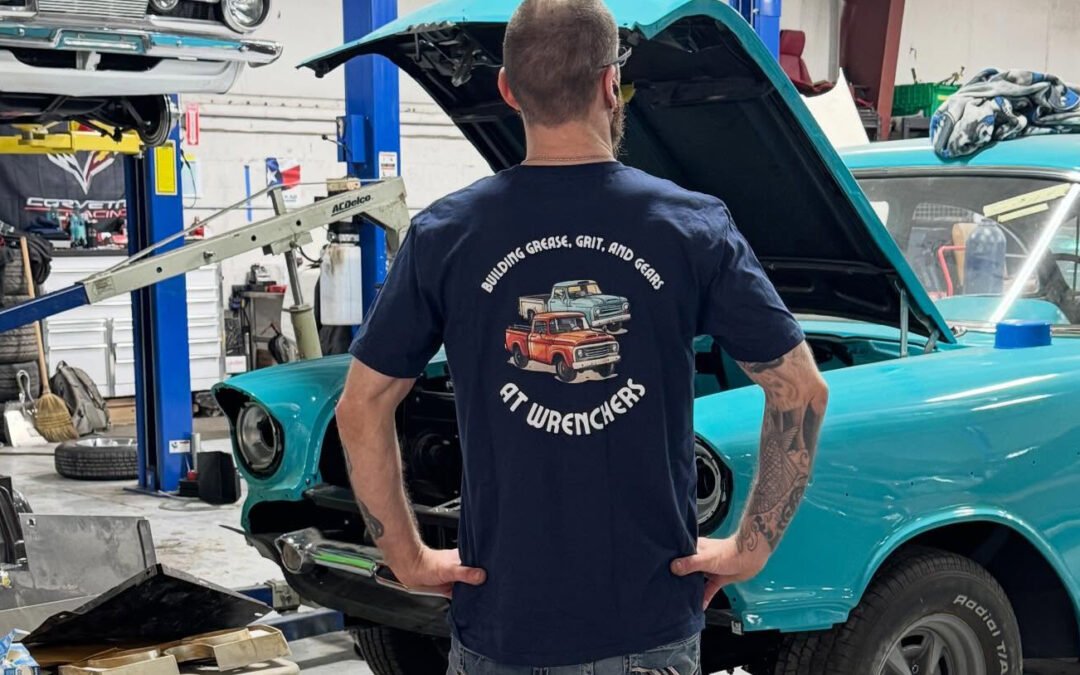
Restoring a classic car is about much more than making an old vehicle look new again. It’s a detailed process that combines craftsmanship, mechanical expertise, problem-solving and patience. Wrenchers LLC in Michigan understands it may feel like a long time until you get to pick your baby back up from the shop. One of the most common questions restoration shops hear is, “Why does it take so long?”
The short answer is simple: quality restoration can’t be rushed.
Here’s a closer look at what goes into a professional classic car restoration and why the timeline is often measured in months instead of weeks.
Every Restoration Begins with Discovery
No two classic vehicles are alike. Even if two cars are the same make and model, decades of ownership, repairs, rust and modifications create unique challenges.
When a vehicle arrives at a vintage vehicle restoration shop, technicians begin with a complete inspection. While some issues are immediately visible, many don’t appear until the vehicle is completely disassembled.
It’s common to uncover:
- Hidden rust behind body panels
- Previous collision repairs
- Worn or damaged suspension components
- Electrical problems
- Engine or transmission issues
- Missing or incorrect parts
These discoveries often change the scope of the project, adding additional time to ensure everything is repaired correctly.
Finding Original Parts Isn’t Always Easy
One of the biggest reasons a classic car restoration takes time is sourcing parts.
Many vintage vehicles haven’t been manufactured for decades. Original equipment parts may no longer exist, while reproduction parts can vary greatly in quality and fit.
Professional restoration shops often spend considerable time:
- Searching specialty suppliers
- Contacting collectors
- Locating new old stock (NOS) components
- Rebuilding original parts
- Fabricating custom pieces when replacements aren’t available
Sometimes a single hard-to-find component can take weeks or even months to locate.
Bodywork Takes Patience
Paint may be the most visible part of a restoration, but it’s what happens underneath that creates a truly exceptional finish.
Proper body restoration includes:
- Rust repair
- Metal fabrication
- Panel alignment
- Dent removal
- Surface preparation
- Multiple rounds of sanding and inspection
Rushing these steps leads to waves, imperfections and paint failure later. Experienced restoration professionals know that preparation accounts for the majority of the work before any color is sprayed.
Mechanical Systems Must Be Rebuilt Correctly
A beautiful car that doesn’t drive properly isn’t truly restored.
Professional vintage car restoration often includes rebuilding or replacing:
- Engines
- Transmissions
- Brakes
- Steering systems
- Suspension
- Fuel systems
- Cooling systems
- Electrical wiring
Each system must be carefully inspected, rebuilt, tested and adjusted before final assembly.
Every Detail Matters
Unlike modern production vehicles, restored classics require significant hand-fitting.
Doors, hoods, trunks, trim, bumpers and weatherstripping all need precise adjustments to achieve proper gaps and operation.
Interior restoration can also involve:
- Upholstery work
- Seat rebuilding
- Carpet installation
- Headliners
- Dash restoration
- Gauge repair
- Wiring integration
These finishing details often consume far more time than people expect but are essential for producing showroom-quality results.
Custom Restorations Add Additional Time
Many owners choose to personalize their vehicles with upgraded brakes, modern drivetrains, custom interiors or performance modifications.
These upgrades require additional engineering, fabrication and testing to ensure every component works together safely and reliably.
The more customization involved, the longer the project timeline becomes.
Quality Control Can’t Be Skipped
Before any restored vehicle leaves the shop, it undergoes extensive testing.
This includes:
- Engine tuning
- Brake testing
- Suspension adjustments
- Electrical verification
- Road testing
- Leak inspections
- Final detailing
Even after assembly, technicians often discover small adjustments that need attention before the restoration is truly complete.
A Restoration Is an Investment
A properly restored classic vehicle can provide decades of enjoyment while preserving automotive history and, in many cases, increasing in value.
Choosing an experienced classic car restoration shop means investing in skilled craftsmanship rather than a rushed timeline. While it may take longer, the finished product reflects thousands of hours of experience, precision and dedication.
Trust the Process
Restoring a vintage automobile isn’t just another repair—it’s bringing history back to life.
Every hour spent repairing rust, locating original parts, rebuilding engines and perfecting bodywork contributes to a finished vehicle you’ll be proud to own for years to come.
If you have any questions about a frame-off restoration or are looking for further insights for protecting your classic car or truck, give us a call or stop by our shop.
At Wrenchers LLC, we are classic, antique and hot rod enthusiasts, and that shows in the craftsmanship of our vehicle restorations. Whether you choose a full frame-off, traditional restoration or custom work for your vehicle, our experienced restoration professionals listen to you and work on your vehicle with the same care they take with their own. When your keys are handed over and you slide behind the wheel after your car has been restored, you will be hitting the road in the vehicle of your dreams.